Overview
I've been selected to participate in ISM for two years— my junior and senior years. During junior year, I focused on neuroscience and current neuroscience research. I found that I enjoyed studying about neurodegenerative diseases and especially technological advancements to treat them. In my senior year I am choosing to build off of my work last year by exploring data science, machine learning, and artificial intelligence applications in healthcare.
Approach
ISM requires two main products: Original Work (OW) and Final Product (FP). Original work is some a product that you develop that showcases the research and deep dive you've done into the field of your choice. FInal Product is a presentation-ready, tangible representation of your work and understanding of the field. Scroll down to see my OW (Prior Research Review) and my FP (Presentational Product). I built on my work over the following summer and developed a functional machine learning model and foundation as well!
About ISM
What is ISM?
Independent Study and Mentorship (ISM) is a highly selective research-based program for junior and senior students in the Frisco Independent School District. ISM gives high-achieving students the opportunity to explore and gain professional experience in the career path of their interest. Students get the opportunity to select a topic to focus their study on, receive hands-on experience with a mentor, perform significant research, and produce a final product over the course duration. Throughout the ISM program, students acquire crucial knowledge and essential professional skills that will assist them in being successful in their professional future.
ISM I
2022 — 2023
The Story
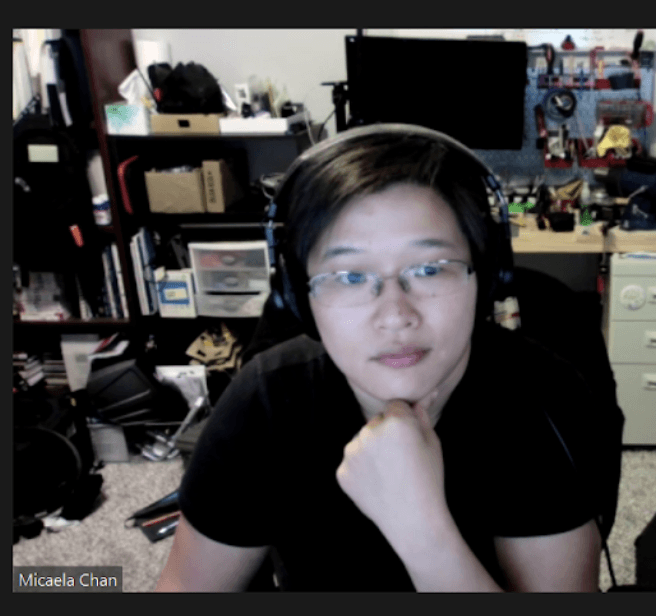
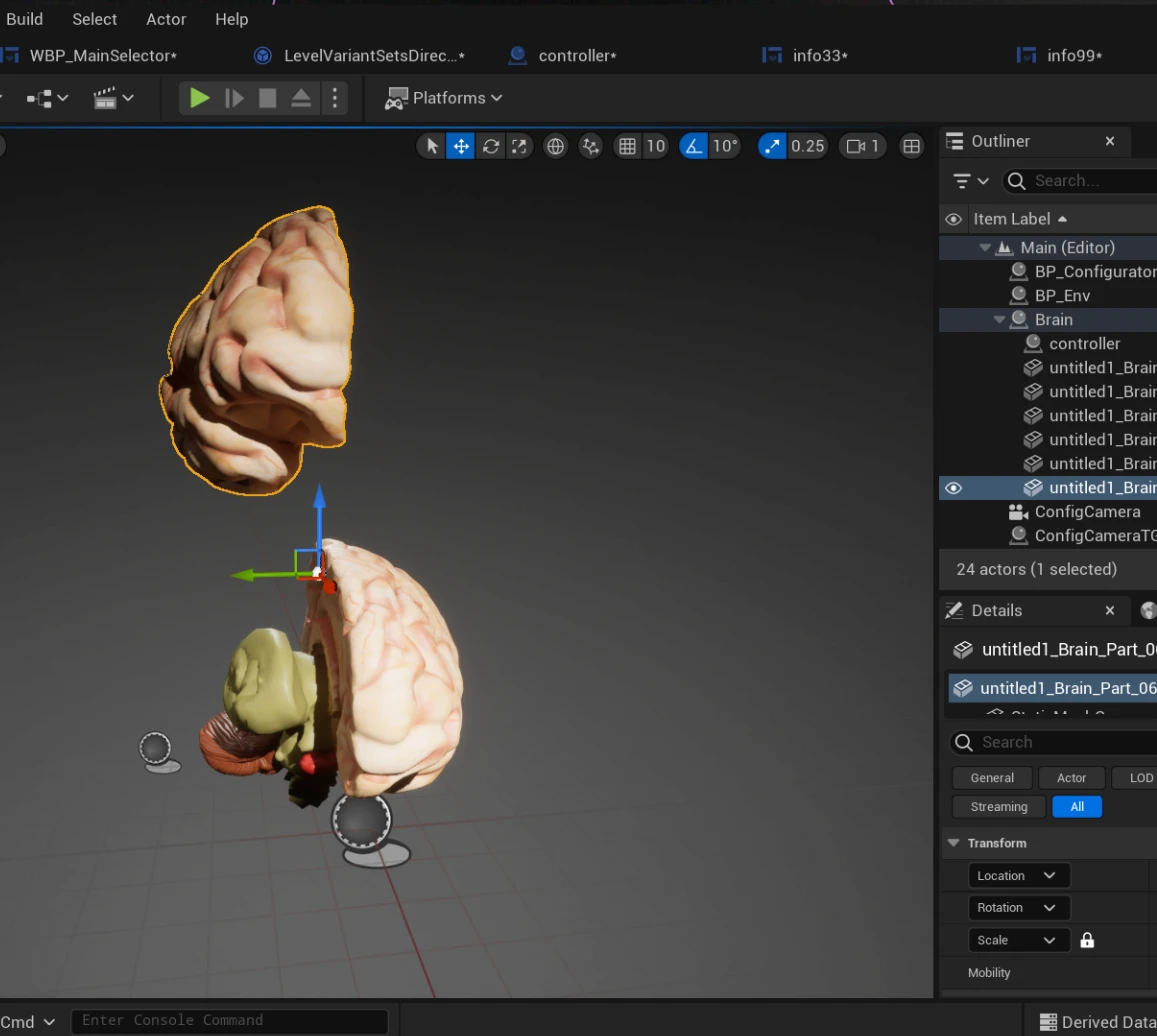
In ISM I, I studied neuroscience, Alzheimer's, dementia and ML/AI applications under the mentorship of Dr. Micaela Chan from the Wig Neuroimaging Center. Prior to finding Dr. Chan, I had multiple research interviews with multiple professionals of the field as I studied the different aspects of the neuroscience field such as clinical and research. I learned that I liked the research aspect of neuroscience and decided to focus my studies in ISM around neuroscience research, specifically early Neurodegenertive Disease Detection Using Machine Learning. I decided to do my Prior Research Review over this topic to get a much better understanding of it. As I learned more I became more interested in ways to implement artificial intelligence and/or machine learning to predict Alzheimer's Disease (a disease with no cure), since the step to finding a cure may lie in finding a prevention. With Dr. Chan I developed an educational model about Alzheimer's Disease's effects on the brain as my public presentational product.
You can see how I documented my jouney on my blog below
Blog
See Blog
ISM II
2023 — 2024
The Story
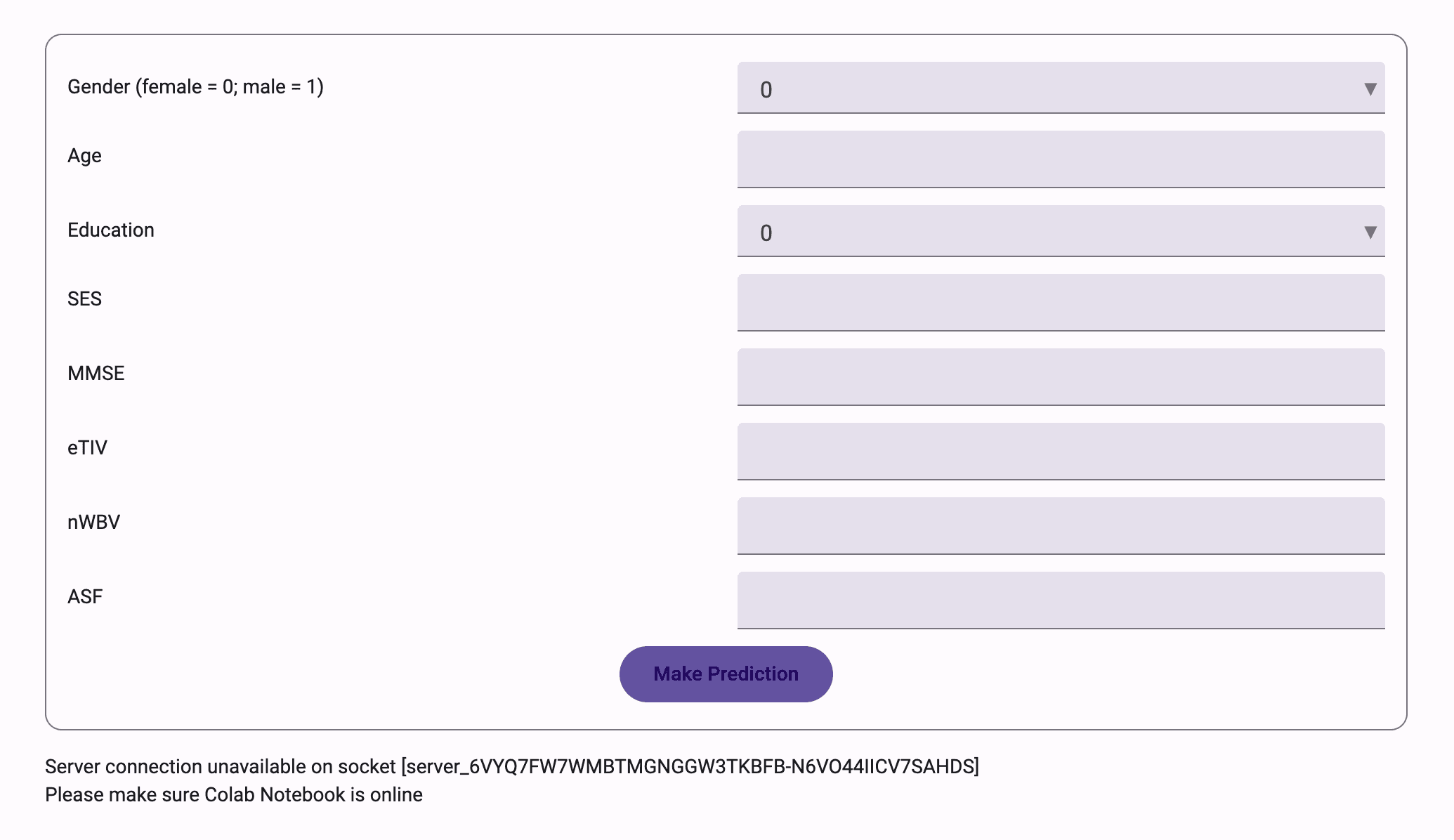
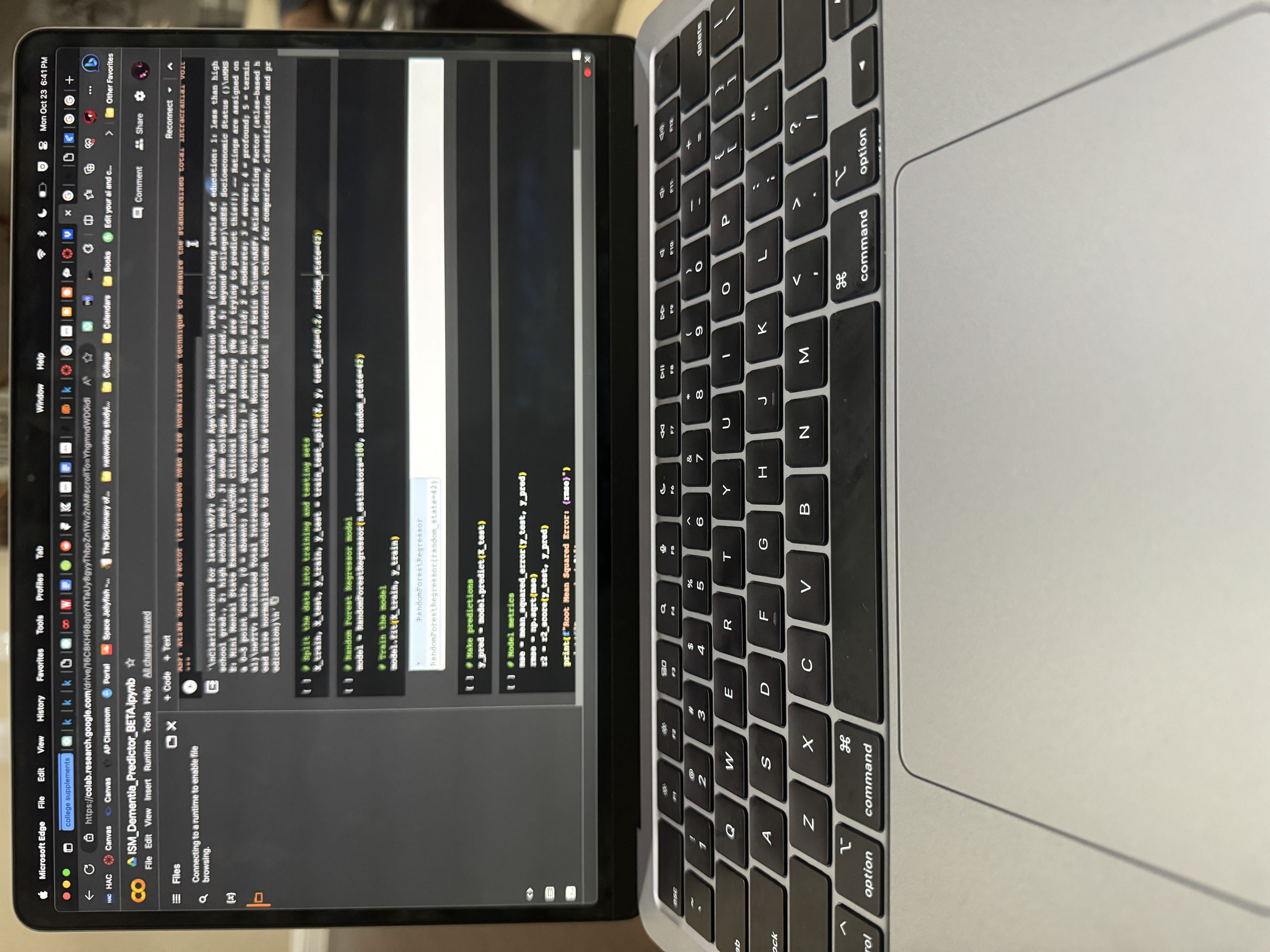
In ISM II, I continued off my research the last year. This year I researched and developed a study and abstract over a machine learning model that uses a CSV dataset to attempt to predict Clinical Dementia Ratings, titled Predictive Modeling of CDR Based on Socioeconomic Factors and Neuroimaging Data. I've published this model and my findings to serve as a future baseline for other studies and my own reference. I worked mainly on my own and experimented with the verious technological aspects of the project such as getting a webapp that was functional using my python script. I also worked towards building an iOS app using XCode that could use camera data and other on-board data to build a profile of the user to generate some biomarkers and parameters that may be useful in a diagnosis. This idea wasn't fully ready as part of my final presentation however.
You can see how I documented my journey this year below
Blog
See Blog
Research and Digital Assets
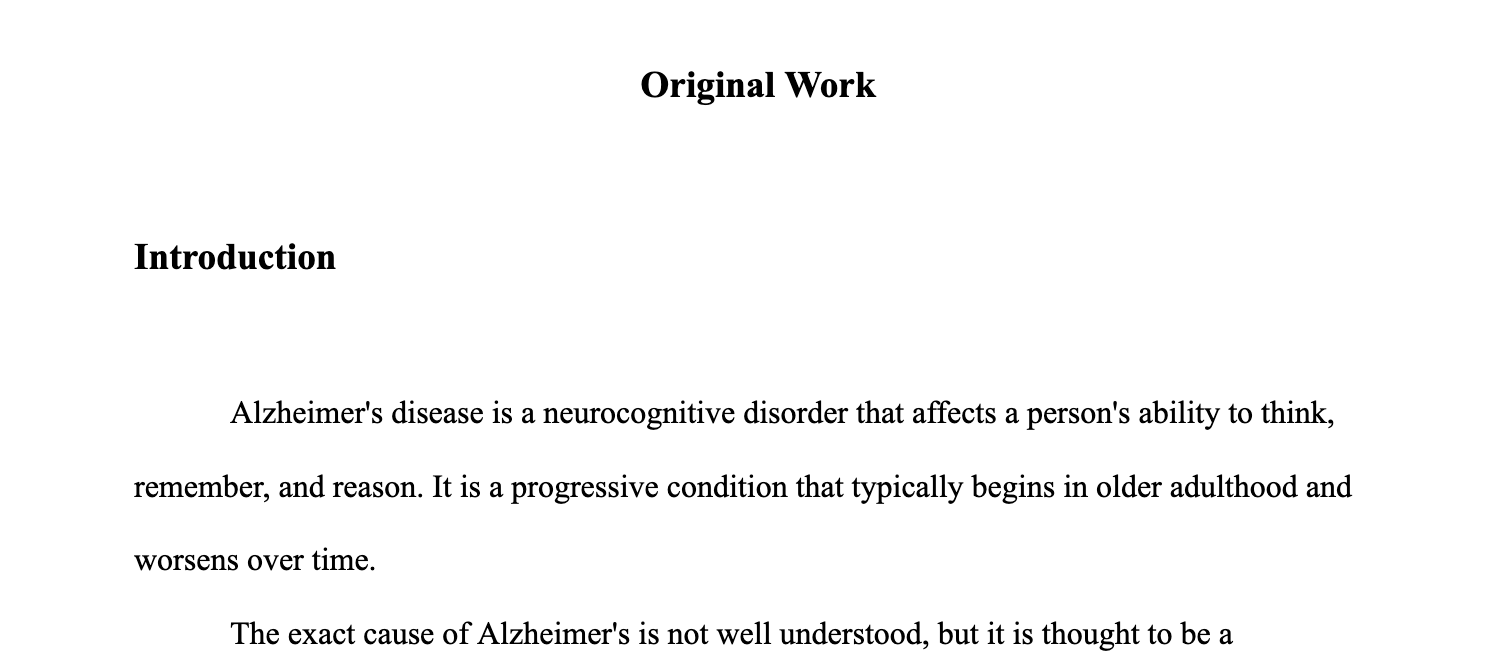
Prior Research Review
A literature review over existing studies of using AL/ML for early Alzheimer's Disease and prevention
Presentational Product
An interactive 3D model to educate the public on Alzheimer's Disease facts and promote awareness
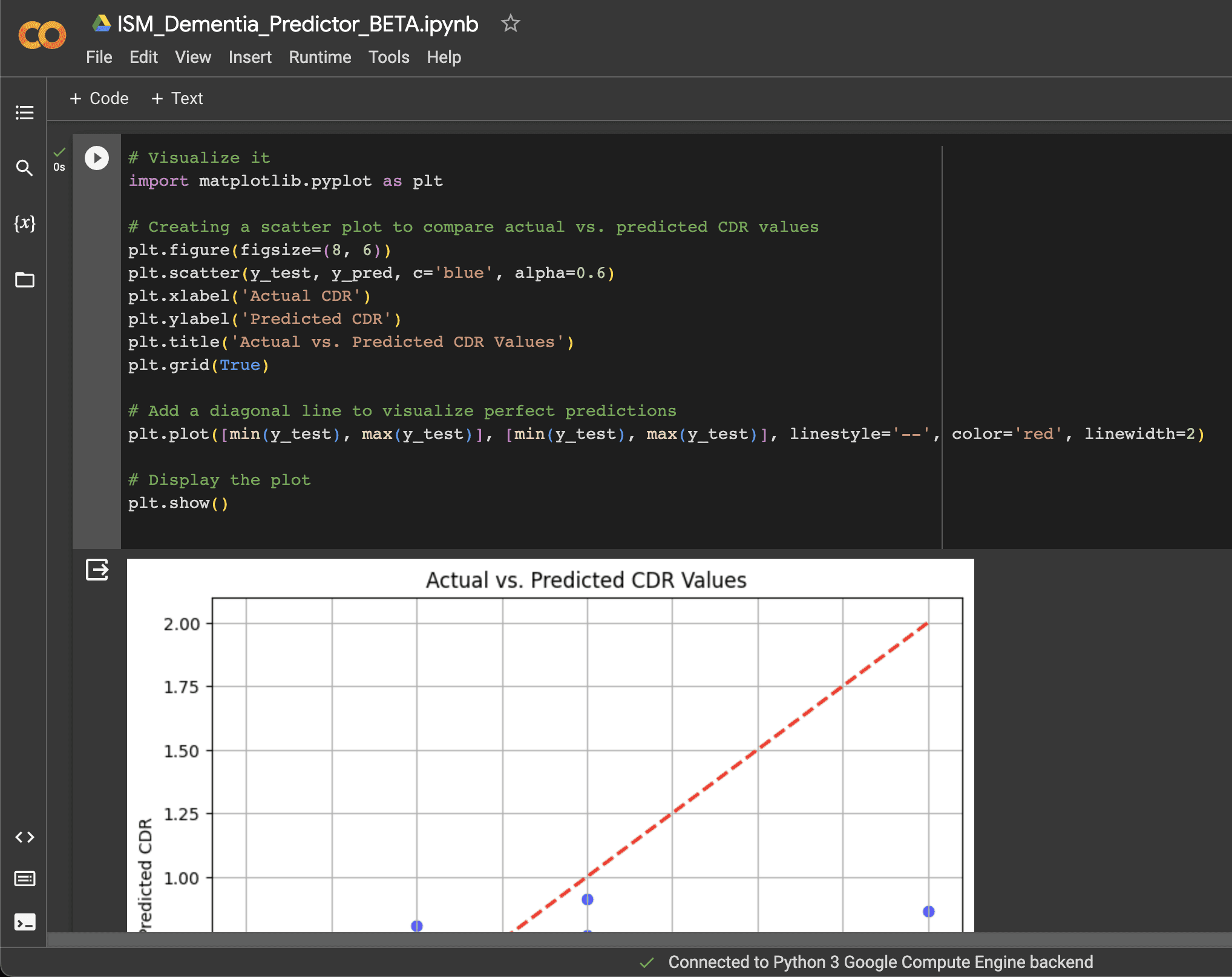
Predictive Machine Learning Model Research
Functional Predictive Modeling of CDR Based on Socioeconomic Factors and Neuroimaging Data + Research Abstract